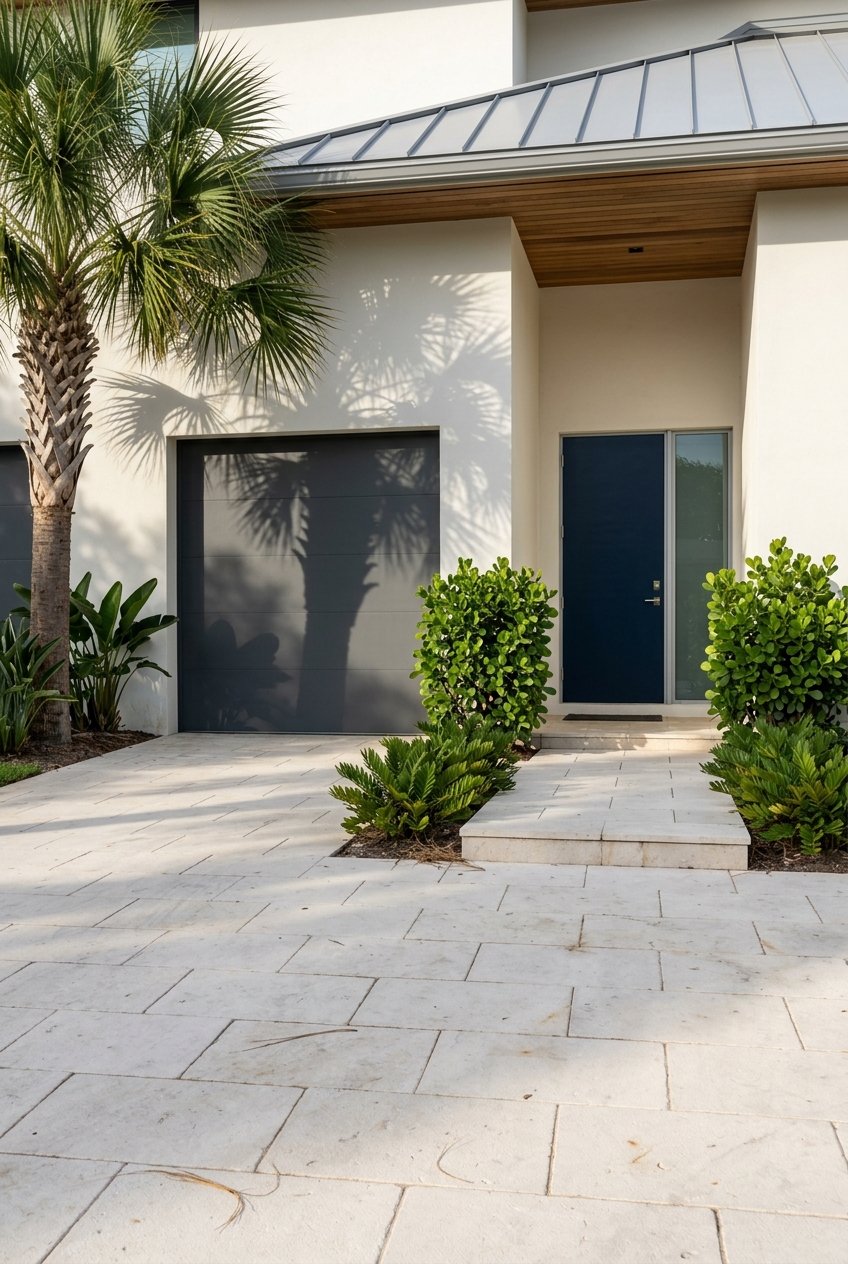
Trying to choose between a condo and a house in Miami Beach? You are not alone. Many buyers love the idea of the Beach lifestyle, but the right fit depends on how you want to live, what kind of upkeep you can handle, and how comfortable you are with costs that go beyond the list price. This guide will help you compare the real tradeoffs so you can make a clear, confident decision. Let’s dive in.
Why this choice matters in Miami Beach
In Miami Beach, the condo-versus-house decision is not just about style. It is also about ownership structure, flood risk, parking, rental rules, and how much control you want over your property.
That matters because Miami Beach has a very specific housing mix. Condo inventory tends to cluster in denser corridors, while detached homes are more likely to be found in single-family districts and lower-density pockets across areas such as North Beach, Mid Beach, South Beach, and parts of the city’s single-family zoning districts.
Condo ownership in Miami Beach
A condo can be a strong fit if you want a more lock-and-leave lifestyle. In many buildings, the association is responsible for maintaining common elements, which may include the roof, exterior, elevators, lobby, corridors, recreational amenities, and certain utilities, depending on the condo documents.
That shared structure can make day-to-day ownership feel simpler. But it also means you are buying into a system of rules, budgets, reserve funding, and association decision-making, not just an individual unit.
What condo buyers need to review
Florida law gives condo buyers the right to review key documents before closing. These can include the declaration, articles, bylaws, rules, recent annual financial statement, annual budget, and FAQ document.
If the building is subject to them, buyers should also review the latest milestone inspection summary and structural integrity reserve study. In practical terms, buying a Miami Beach condo is often more document-heavy than buying a detached house.
Condo benefits to consider
For many buyers, the main appeal of a condo is convenience. If you want lower day-to-day maintenance, shared amenities, and easier ownership when you travel often or split time between homes, a condo may line up with your goals.
Miami Beach also supports a walkable condo lifestyle. The city’s free trolley runs 15 hours a day, seven days a week on four loops, and the Beachwalk offers a nine-mile oceanfront pedestrian route from South Pointe Park to 87th Street.
Condo risks to weigh carefully
The biggest mistake condo buyers make is focusing only on the unit and not the building. In Miami Beach, that can create issues later, especially in older properties.
Under Florida law, certain older condo and cooperative buildings that are three habitable stories or more must complete milestone inspections once they reach a set age, with repeat inspections every 10 years after that. In coastal areas near salt water, local governments may require inspections at 25 years.
If structural issues are found, repairs may need to be funded through reserve accounts, special assessments, loans, or lines of credit. That is why reviewing the building’s financials and inspection-related records is just as important as liking the view or floor plan.
House ownership in Miami Beach
A house gives you more direct control. If you want privacy, outdoor space, room for customization, and fewer shared decisions, a detached home may be the better fit.
But more freedom usually means more responsibility. With a house, you are the one planning repairs, managing upkeep, budgeting for major projects, and dealing directly with permits and approvals when you want to renovate or rebuild.
What to know about house projects
Miami Beach regulates house projects through zoning and design review. The city notes that some new single-family homes that comply with the rules may be approved administratively, while designs involving waivers, variances, or understories can require board review.
The city also notes limits such as a 50% of lot area maximum unit size and a 30% lot coverage cap for a two-story home in single-family zoning districts, with exceptions. If customization matters to you, it is smart to understand these rules early rather than assume any project will be simple.
House benefits to consider
A house can make more sense if your priority is control over the property. You may have more flexibility around how you use indoor and outdoor space, how you maintain the home, and how you plan future improvements.
For some buyers, that control is worth the added work. If you prefer making your own decisions rather than following association rules, a house often feels more straightforward.
House tradeoffs to expect
The flip side is that there is no association handling the big items for you. Roof planning, exterior maintenance, drainage concerns, insurance planning, and long-term repair budgeting all fall on you.
In Miami Beach, where weather and water exposure matter, that responsibility should not be treated lightly. A house can offer more independence, but it also requires a more hands-on ownership mindset.
Flood risk affects both options
Whether you buy a condo or a house, flood risk needs to be part of your decision. Miami Beach says 93% of buildings are in the Special Flood Hazard Area under current FEMA maps.
That means flood insurance is required for federally backed mortgages in those areas and recommended for all properties. Florida condo disclosure law also reminds buyers that standard homeowners insurance does not include flood coverage.
For buyers, the takeaway is simple. Do not assume your insurance picture will be the same from one property to the next, even within the same city.
Parking can change the decision
Parking is one of those details that seems minor until it affects your daily life. In Miami Beach, it deserves close attention whether you are buying a condo or a house.
The city offers resident parking discounts and launched a Parking Reclaim Program in May 2026 to identify additional parking locations. For condo buyers, that means checking parking rights, assigned spaces, guest parking, and overflow options building by building.
For house buyers, it means verifying the lot, garage, driveway, and realistic street-parking situation before making assumptions. A beautiful property can feel very different once everyday parking enters the picture.
Rental flexibility is not the same everywhere
If you are buying a second home or considering future rental income, Miami Beach short-term rental rules matter. The city says vacation or short-term rentals are prohibited in all single-family homes and in many multifamily buildings in certain zoning districts.
Where short-term rentals are allowed, the property must be in a qualified zone and have the required Business Tax Receipt and Resort Tax account. For condo buyers, there is another layer to review because the building’s own rules may be stricter than city zoning.
This is one area where buyers should verify facts before they fall in love with a property. Rental flexibility should be confirmed early, not assumed from online marketing remarks or past use.
Compare total carrying cost, not price alone
In Miami Beach, the smarter comparison is total carrying cost, not just purchase price. That means looking at mortgage, taxes, insurance, HOA or condo dues, parking costs, and possible future assessment exposure.
This is especially important in older condo buildings, where Florida law requires meaningful reserve funding for capital items such as roof replacement, building painting, and pavement resurfacing. A condo with a lower list price may still carry higher monthly or future costs than you expect.
A house can also come with major expenses, but those costs usually show up differently. Instead of dues or special assessments, you may be budgeting directly for repairs, maintenance, and project planning.
A simple way to decide
If you are torn between the two, focus on how you want your life to work day to day. The right answer is usually the one that matches your routine, risk tolerance, and ownership style.
A condo may be better if you want:
- Lower day-to-day maintenance
- Shared amenities
- Easier lock-and-leave ownership
- A more walkable, transit-friendly lifestyle
- Less direct responsibility for exterior and common-area upkeep
A house may be better if you want:
- More privacy
- Outdoor space
- Greater control over changes and upkeep
- Fewer shared rules and governance issues
- A more hands-on ownership experience
Final thoughts for Miami Beach buyers
There is no universal winner between a condo and a house in Miami Beach. The better choice depends on whether you value convenience or control more, and whether you are prepared for the costs and responsibilities that come with each path.
A clear decision usually comes from reviewing the property type through a local lens: building documents, inspection exposure, flood planning, parking, zoning, and real monthly cost. If you want calm, honest guidance as you weigh those tradeoffs, Delainy Quintero can help you compare options and move forward with confidence.
FAQs
Should you buy a condo or house in Miami Beach for lower maintenance?
- A condo is often the lower-maintenance option because the association typically handles many common-element responsibilities, while house owners manage upkeep directly.
What condo documents should you review before buying in Miami Beach?
- You should review the declaration, articles, bylaws, rules, recent annual financial statement, annual budget, FAQ document, and if applicable, the latest milestone inspection summary and structural integrity reserve study.
Are short-term rentals allowed in Miami Beach houses and condos?
- Not always. Miami Beach says short-term rentals are prohibited in all single-family homes and in many multifamily buildings in certain zoning districts, so you should verify city zoning and any building rules before buying.
Does flood risk matter for both condos and houses in Miami Beach?
- Yes. Miami Beach says 93% of buildings are in the Special Flood Hazard Area under current FEMA maps, so flood insurance and overall flood planning should be reviewed for either property type.
Is parking easy to assume when buying in Miami Beach?
- No. You should verify parking details for any property, including assigned condo spaces, guest parking, driveways, garages, and street-parking realities.
Why can older Miami Beach condos cost more than expected?
- Older condo buildings may face inspection-related repairs, reserve funding requirements, or special assessments, which can affect your total cost well beyond the purchase price.