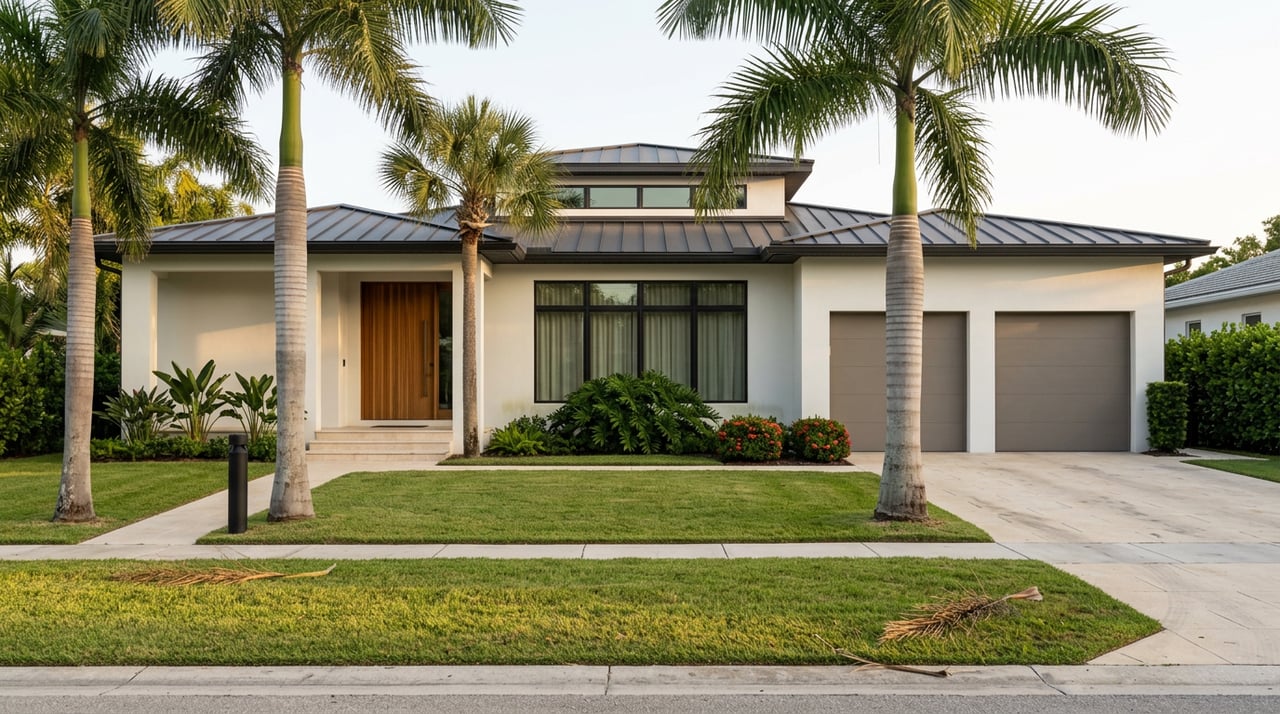
You are not alone if the name Pinecrest has you doing a double take. There is a Pinecrest in Miami-Dade and a Pinecrest neighborhood in Escambia County near Pensacola, and they feel very different once you start touring homes. If you are focused on Pinecrest in Escambia, you will balance space, budget, age of the home, and insurance with a clear set of tradeoffs. This guide gives you a plain-English look at what to expect, how to evaluate a listing, and the steps that help you buy with confidence. Let’s dive in.
Pinecrest, Escambia at a glance
Before you start, confirm which Pinecrest you mean. The Village of Pinecrest in Miami-Dade is a separate municipality with very large lots and luxury prices, which is a different market than Pensacola. You can see why this causes confusion by checking how the Miami-Dade village is described on this overview of Pinecrest, Florida.
Pinecrest in Escambia is a modest, established neighborhood inside the Pensacola metro. You will mostly see smaller, older single-family homes, many built from the 1940s through the 1970s, with common layouts of 2 to 4 bedrooms and lots often under a quarter acre. Private pools and estate-style amenities are less common in this area, and the neighborhood is generally priced and sized for local first-time to mid-market buyers. These patterns are consistent with the profile of Pinecrest in Pensacola.
Space vs. budget tradeoffs
Lot size and yard use
In Pinecrest, Escambia, most lots are on the smaller side compared with suburban luxury enclaves. You gain a private yard for pets, gardening, and weekend grilling, but you typically will not get a half-acre or more. Be sure to review the lot’s usable area, not just the square footage on paper. Setbacks, easements, and the home’s footprint affect how much space you truly have for outdoor living.
Home size and floor plans
Expect practical, mid-century floor plans. Many homes have 2 to 4 bedrooms and a traditional layout rather than large open-concept great rooms. If you want a contemporary kitchen or a larger primary suite, plan for a remodel. The good news is that cosmetic updates in these homes can add livability and appeal over time if you buy at the right price and renovate smart.
Outdoor features you will see
Fewer listings include private pools or extensive outdoor kitchens. You are more likely to find established landscaping, a patio, or a screened porch. If a pool is on your wish list, you may need to expand your search or budget for a future install, and you should also price out insurance and maintenance to understand the full cost.
Cost-of-ownership factors
Insurance, flood, and wind risk
In Florida, insurance is a line item you cannot ignore. Flood zone, elevation, roof type, windows, and overall wind resistance influence both coverage options and premiums. Always pull the property’s flood status using FEMA’s Flood Map Service Center, and request quotes early so you can compare estimated monthly costs.
Florida’s insurance market continues to evolve, and premiums vary by property risk. It is smart to understand how recent changes affect availability and pricing, then build a cushion into your budget. You can track context using resources like this overview of Florida insurance market updates.
Renovation and maintenance realities
Older homes often mean systems updates. Review the roof age, HVAC, electrical panel, plumbing, and whether the property connects to sewer or uses a septic system. If there is a pool, check the equipment and surface age. Impact-rated windows and reinforced doors can help with storm resilience and may improve insurance outcomes, so note what is already upgraded and what you may add later.
Property taxes and homestead savings
If you plan to make the home your primary residence, Florida’s homestead exemption and Save Our Homes cap can reduce taxable value growth. If you already have a Florida homestead, you may be able to transfer a portion of that benefit when you move, subject to limits and deadlines. Review the rules and forms for portability and timelines using this summary of Florida homestead portability provisions.
Long-term value outlook
Pinecrest in Escambia serves a practical buyer profile. The typical home is smaller and older, which creates two common paths to value. You can target a well-kept property and enjoy lower immediate project loads, or buy a solid home at the right price and invest in updates that improve function and efficiency. Either way, your long-term value usually follows condition, usable lot characteristics, and how well the home fits everyday needs.
If you are deciding between Pinecrest and other Pensacola neighborhoods at a similar price point, consider which features matter most over a 5 to 10 year horizon. For many buyers, predictable carrying costs, a manageable yard, and a comfortable layout win over chasing maximum square footage.
Compare the two Pinecrests carefully
If you also search the Miami-Dade Pinecrest online, you will see large estate lots, pools, and luxury pricing that do not reflect the Pensacola-area neighborhood. That Miami market emphasizes land scarcity, estate zoning, and higher purchase prices. The Escambia Pinecrest offers more modest homes with smaller yards and a lower price point. Keeping these markets separate in your research will save you time and help you set realistic expectations, as highlighted in the overview of Pinecrest, Florida and the profile of Pensacola’s Pinecrest.
How to evaluate a Pinecrest listing
Use this checklist to compare apples to apples when you spot a home you like:
Confirm the location
- Verify it is Pinecrest in Escambia County, not the Village of Pinecrest in Miami-Dade. Cross-check city, county, and ZIP before you schedule showings. The distinction is noted in this Pinecrest, Florida overview.
Verify the basics
- Read the MLS facts, then verify the lot size, legal description, and parcel details against public records. Look for the lot’s dimensions so you can picture yard usability, not just total square feet.
Map the lot
- Review where the home, driveway, and any structures sit on the lot. Consider setbacks, easements, and room for future projects like a patio or shed. Narrow or irregular shapes can reduce usable yard area.
Check flood and elevation
- Run the address through FEMA’s Flood Map Service Center and obtain a preliminary flood quote. If the property needs flood coverage, ask your insurance advisor to price both NFIP and private-market options so you can compare.
Assess major systems
- Note ages and permits for roof, HVAC, electrical panel, plumbing, and water heater. In older homes, these items can drive large budget swings. Ask for the seller’s disclosure and any permit history.
Review storm readiness
- Look for impact-rated windows or shutters, reinforced garage and entry doors, and a roof in good condition. These details often affect insurability and peace of mind during storm season.
Read the fine print
- Ask your title company to flag any easements or recorded restrictions. If there is an HOA, review rules, fees, and any approval timelines.
Pull relevant comps
- Compare the home to similar sales in the past 6 to 12 months. Focus on homes with like-for-like lot size, age, and condition. School zoning and proximity to everyday services can also influence pricing, so keep those variables in view.
Estimate full carrying costs
- Add principal and interest, property taxes, homeowners insurance, potential flood insurance, utilities, and typical maintenance. If you plan to homestead, build your estimate around the timing of your filing and portability, using this guide to homestead portability rules.
Buyer scenarios to consider
Budget-first buyer
- You want a comfortable 3-bedroom and a manageable yard. Focus on well-kept homes where the big-ticket items are in good shape. Your tradeoff is fewer luxury features in exchange for predictable monthly costs.
Space-seeking buyer
- You prefer a larger lot or an extra flex room. You may look at homes that need updates so you can rework the layout over time. Your tradeoff is more renovation planning to reach your ideal setup.
Low-maintenance buyer
- You value minimal projects and quick move-in. Target updated systems and simple landscaping. Your tradeoff is paying a premium for turn-key condition compared to a similar home that needs work.
Smart next steps
- Clarify your must-haves versus nice-to-haves before touring.
- Get pre-approved so you can move fast on a solid listing.
- Ask your agent to preview recent comps and days on market for Pinecrest specifically.
- Price insurance early using FEMA maps and a preliminary quote so there are no surprises.
- Line up inspections that focus on roof, electrical, plumbing, HVAC, and any pool.
- Build a realistic first-year budget that includes small projects and routine maintenance.
When you are ready for a steady guide through showings, comps, negotiations, and inspections, reach out to Delainy Quintero for an education-first plan that fits your goals.
FAQs
What is Pinecrest in Escambia, Florida?
- It is an established Pensacola-area neighborhood with mostly smaller, older single-family homes that tend to have 2 to 4 bedrooms and lots often under a quarter acre.
How does Pinecrest, Escambia compare to Miami’s Pinecrest?
- Miami’s Village of Pinecrest is a separate municipality known for very large lots and luxury pricing, while Escambia’s Pinecrest is more modest with smaller homes and yards.
What should I budget for insurance in Pinecrest, Escambia?
- Costs vary by address and risk, so check FEMA flood status and request quotes early for homeowners and flood insurance to build an accurate monthly estimate.
Are most Pinecrest, Escambia homes move-in ready or fixer-uppers?
- You will find both, but many homes are older, so pay close attention to roof, HVAC, electrical, plumbing, and windows to understand project scope and price accordingly.
How do I reduce long-term property tax increases in Florida?
- If you occupy the home as your primary residence, apply for homestead and review Florida’s portability rules to see if you can transfer a portion of your existing Save Our Homes benefit.